Common Lighting Mistakes in Rental Apartments and How to Fix Them Without Wiring
Renters can't rewire anything, but dark corners, harsh overheads and badly placed switches are all fixable...

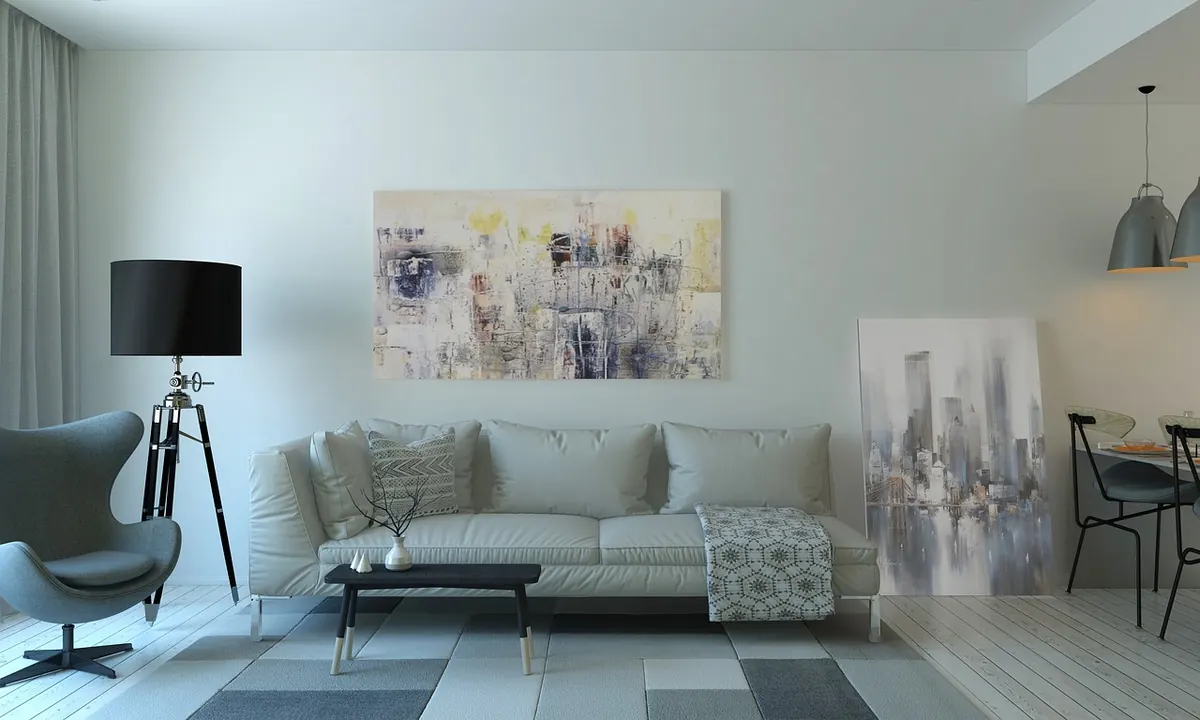
A sofa is the largest thing most people ever put in a living room, which means it decides how the room works. Get the size right and a nine-by-twelve space feels generous. Get it wrong and a room that looked fine empty starts to feel like a hallway with furniture in it. The good news is that this isn't a matter of taste or luck. It's arithmetic. Ten minutes with a tape measure and a pencil will tell you more than an hour of scrolling through product photos.
Start with the wall the sofa will probably sit against, but measure what's actually usable, not what the listing says the room is. Walk the wall and note anything that interrupts it: doors that swing inward, radiators, floor vents, baseboard heaters, outlets you'd rather not block, windows that come down low.
Say you have an eleven-foot wall. A closet door that swings into the room eats about two and a half feet, and a radiator takes another eighteen inches. Your real working length is closer to seven feet. That immediately rules out the eight-foot sofa you were eyeing, and it saves you a return shipping fee.
One more thing: a sofa doesn't have to fill the wall. Leaving twelve to eighteen inches of breathing room at each end usually looks better than wedging it in tight, especially in a small room where the eye needs somewhere to rest.
A sofa that fits the room but not the doorway is still the wrong sofa. Before you buy, walk the exact route the delivery team will use, from the front door to the final position.
Most sofas will pass through a standard thirty-inch door when tipped on their side, because the diagonal of the frame is usually smaller than the overall length. Legs that unscrew and a back that detaches buy you real clearance. Ask before you order; it's a normal question and most retailers can answer it.
Traffic paths are where small rooms fail. These are rules of thumb that work in most homes:
If your living room is a pass-through between the kitchen and the bedrooms, the main path wins. Don't park the sofa across it. Angle it, or choose a shorter piece so people can walk behind it without turning sideways.
Depth and arm style change how big a sofa feels far more than its length does.
A typical three-seat sofa runs about eighty-four to ninety inches wide and thirty-five to forty inches deep. Small-room options usually sit between seventy-two and seventy-eight inches wide and thirty-two to thirty-six inches deep. Loveseats land around fifty to sixty inches. In a tight room, shaving three inches of depth often does more for the floor plan than shaving a foot of width.
Arms are where square footage quietly disappears. A rolled or wide arm can run ten to twelve inches on each side, so an eight-foot sofa with chunky arms may seat fewer people than a seven-foot sofa with four-inch track arms. Measure the seating width between the arms, not just the outside frame.
Low backs and exposed legs let you see more floor, which reads as more space. A tall, skirted sofa visually fills the room even when its footprint is identical to a lighter-looking one. This is a legitimate reason to prefer a certain style, not just a preference.
Take these to the store or keep them open on your phone while you shop:
If a sofa fails any one of these, keep looking. There are plenty of pieces that will pass all five.
Before you order, mark the footprint with painter's tape. Then stack cardboard boxes to seat height — around seventeen to nineteen inches — and sit on them. Walk around the taped rectangle. Stand in the doorway and look in. This sounds fussy, but it catches the problems that photos hide: the sofa that blocks the light switch, the one that leaves no room for a lamp, the one that makes the doorway feel like a funnel.
If tape isn't practical, lay out the dimensions with a couple of cushions or a folded blanket. It's rough, but it's honest.
A sofa that fits a small living room usually looks smaller than you expect on the showroom floor. That's normal, and it's the right instinct. Let the measurements make the decision: the wall length sets your maximum width, the doorway sets your maximum frame, the walkway sets your maximum depth, and the number of people who actually sit there sets your minimum. Somewhere in that window is a sofa that will make the room feel finished instead of full. Measure twice, tape it out, and buy once.
Photo: Pexels / Pixabay
Renters can't rewire anything, but dark corners, harsh overheads and badly placed switches are all fixable...
Twelve space-saving furniture pieces that work twice as hard in a small apartment, plus the measurements...
A practical beginner's guide to floating shelves: picking the right bracket, locating studs, choosing...