Common Lighting Mistakes in Rental Apartments and How to Fix Them Without Wiring
Renters can't rewire anything, but dark corners, harsh overheads and badly placed switches are all fixable...

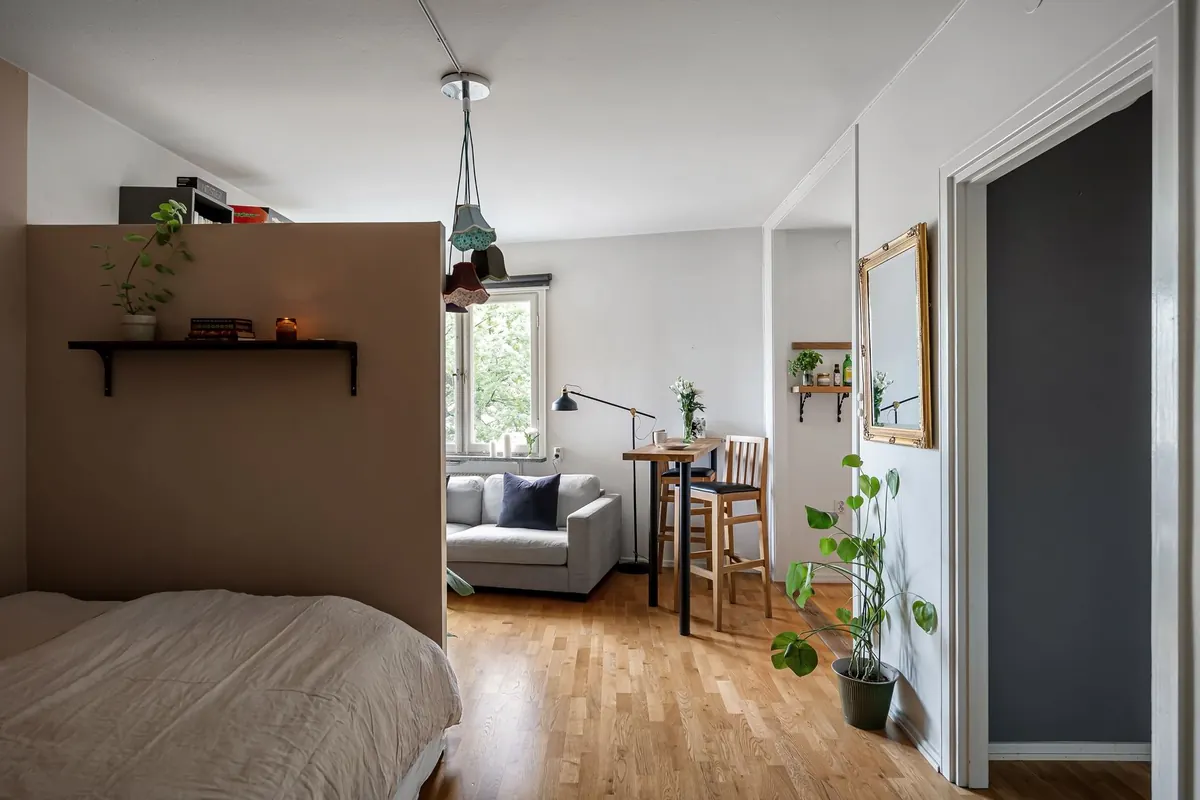
Every square foot in a small apartment has to earn its keep. The sofa becomes a guest bed, the coffee table becomes a desk, the bench by the door becomes a coat closet. That is not settling for less. It is a strategy, and it works best when you choose each piece on purpose instead of buying whatever happens to fit the wall.
Below are twelve furniture types that genuinely do two jobs well, grouped by the problem they solve, with the details worth checking before you spend money.
A large ottoman with a lift-off lid or a hinged top holds throws, board games, extra pillows, or the cable tangle you keep meaning to sort out. Push two together and they double as a coffee table with a tray on top. Look for a lid that stays open on its own, because you will be holding it with one hand otherwise.
The classic small-space workhorse. A click-clack or pull-out sofa gives you seating for four and a bed for two. Sit on it before you buy, in the showroom, for longer than feels polite. If the frame creaks or the bar digs into your back, it will only get worse at home.
Better than a sofa bed for a room that is used as a study or office most of the week. A daybed reads as seating during the day, and the trundle pulls out for a second sleeper. Trundle beds suit shorter guests and kids well; taller visitors will notice.
Put one in the entryway and it becomes a place to sit while you tie shoes, plus a home for bags and shoes. Choose a bench with a hinged seat and a shallow interior, because a deep box just becomes a place where things disappear.
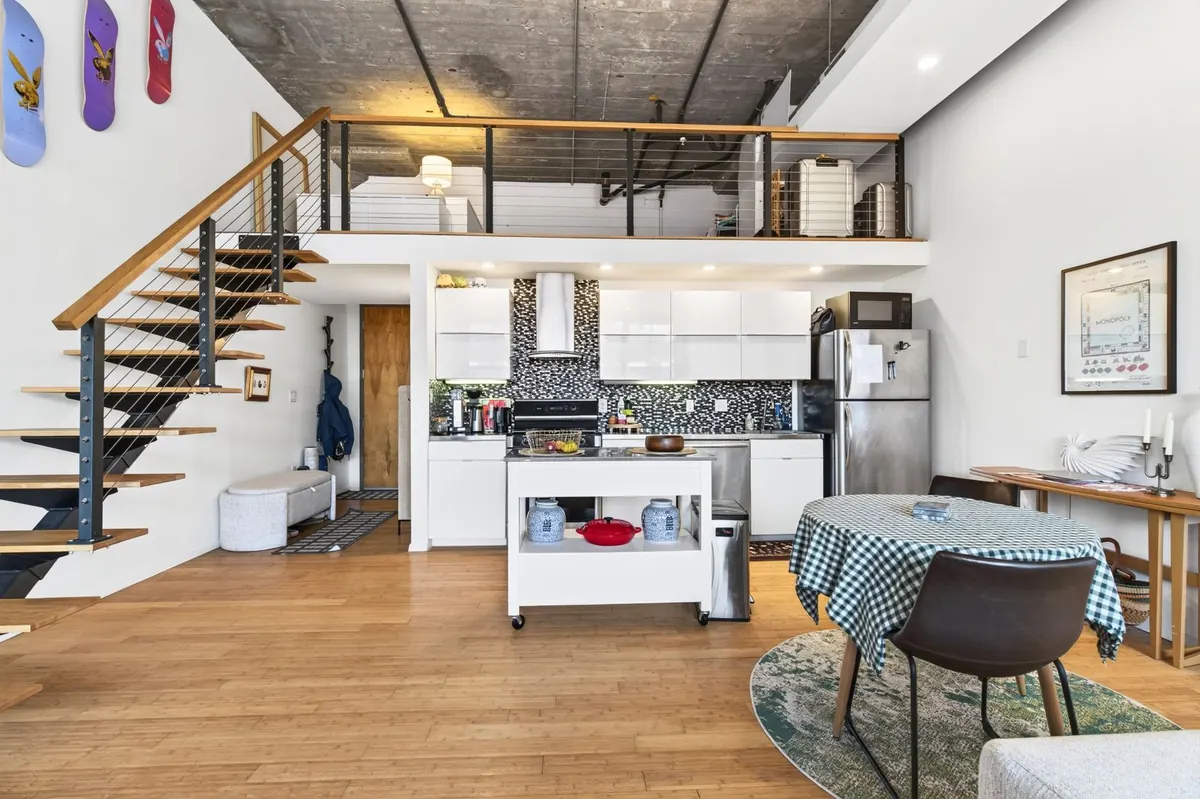
Two or three tables that tuck under one another. Use one as a side table, pull out the second when friends come over, and slide them all back into a footprint the size of a single small table. Measure the nesting gap carefully: if the tallest table is too short, the set looks clumsy rather than clever.
The top lifts and pulls toward you, turning the living room into a dining spot or a laptop desk in one motion. Great for studio apartments where the sofa is also the dining room. Check that the lifting mechanism feels smooth and that the raised top locks rather than floating.
A table with folding leaves stays narrow against the wall for everyday use and opens to seat four to six. This is the single most useful piece in many small flats. Test the hinges; stiff hinges on a cheap table will loosen within a year, and wobbly leaves are worse than no leaves.
A desk that hinges flat against the wall when you finish work. It gives you a real work surface without permanently surrendering floor space. Mount it into studs, not drywall anchors, and plan where the chair goes when the desk is down.
Either a lift-up frame with a full cavity underneath or a bed with drawers along the side. This is where the off-season clothes, suitcases, and spare bedding live. Drawers need clear floor space to open, so leave a gap if the bed sits near a wall or wardrobe.
Two or four chairs that hang on a hook or stack in a closet mean you can seat a dinner party without owning six permanent chairs. Wooden folding chairs look better than plastic ones and last longer if the joints are glued and screwed rather than stapled.
A cart with a top, a shelf, and locking casters becomes a prep counter, a bar, a bedside table, or a plant stand, and it moves out of the way when you need the floor. Locking wheels matter more than they sound; an unlocked cart drifts every time you lean on it.
A narrow open shelving unit, ideally on casters, separates a sleeping area from a living area while giving you vertical storage on both sides. Keep it under about 40 cm deep so it divides without swallowing the room.
Double-duty furniture fails for predictable reasons. Run through this list before you order anything.
Start with the two pieces you use every day: seating and the bed. Get those right and everything else is a bonus. Sketch the room on paper, mark the doors, radiators, and windows, then cut out paper rectangles for each candidate piece and move them around. It takes ten minutes and prevents the most common small-apartment mistake, which is buying furniture that fits the room but not the way you live in it.
Buy one piece at a time, live with it for a week, and see what the space still needs. A smaller collection of things that each pull their weight will always feel calmer than a room stuffed with clever ideas that do not quite work.
Photo: Lisa Anna / Pexels
Renters can't rewire anything, but dark corners, harsh overheads and badly placed switches are all fixable...
A practical beginner's guide to floating shelves: picking the right bracket, locating studs, choosing...
Rotate the wall art you already own for each season — how to store pieces safely, group them, and swap...