Small Apartment Furniture Checklist: 12 Pieces That Do Double Duty
Twelve space-saving furniture pieces that work twice as hard in a small apartment, plus the measurements...

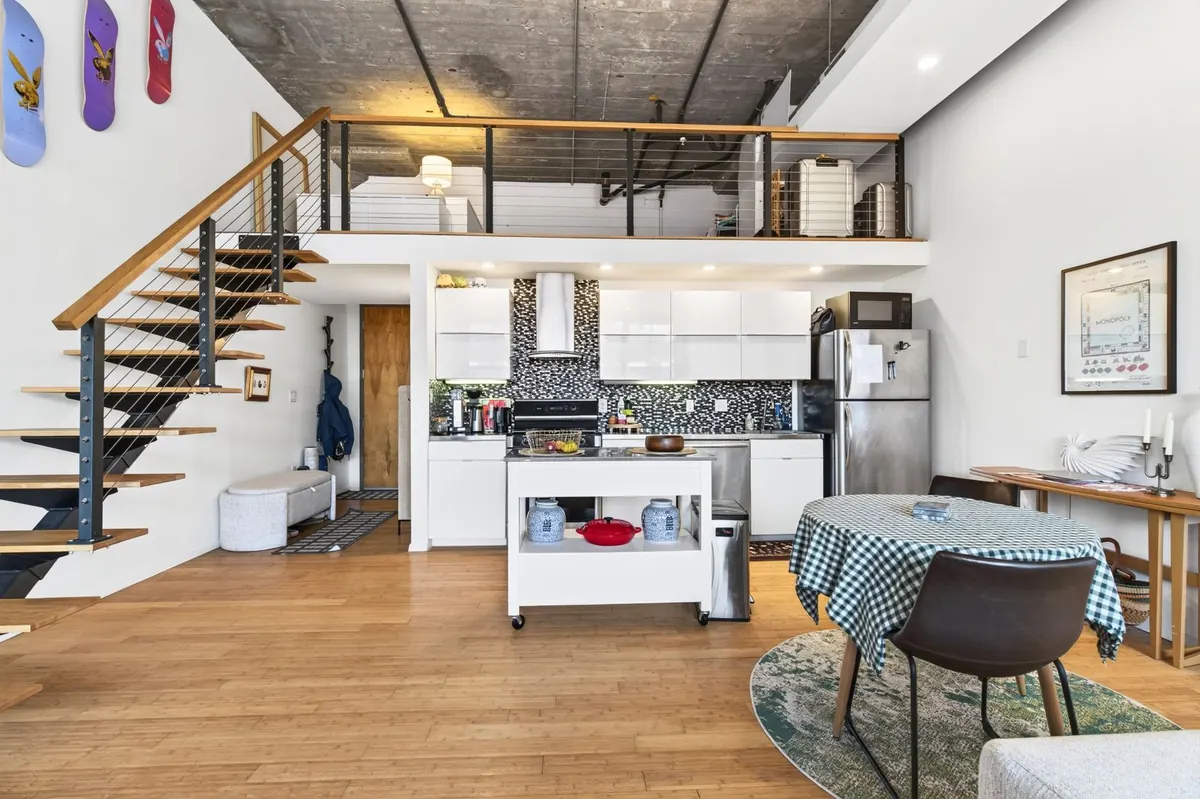
Renters inherit lighting the way they inherit beige carpet: without a vote. The overhead fixture sits in the middle of the ceiling blasting cool white in every direction, the switch is across the room from the bed, and the darkest corner is exactly where you wanted to put a reading chair. None of it is permanent. Almost every lighting problem in a rental can be solved with something you plug into an outlet or peel onto a wall — no electrician, no landlord approval, no deposit at risk.
Most people shop for lamps first and figure out the problem later. Do it the other way around. One evening, walk through the apartment the way you actually live in it — cooking, reading, getting ready in the morning — and pay attention to four things:
While you're at it, note where the outlets are, especially the ones near corners and behind furniture. That list becomes your shopping list, and it stops you from buying a third floor lamp you don't need.
A single ceiling fixture gives a room one height, one brightness and one mood. It flattens faces, throws shadows straight down and makes a living room feel like a waiting area. The fix isn't a second ceiling light. It's layers.
Think in three heights. Ambient light comes from above. Eye-level light — a table lamp, a plug-in sconce, a floor lamp beside the sofa — makes a room feel inhabited and gives you something pleasant to look at instead of a bare bulb. Low or task light, like a strip under a kitchen shelf or a small lamp on a nightstand, handles the actual work.
A bright center with black corners is the most common lighting failure in small apartments. Targeted, low-output sources fix it far better than a brighter overhead bulb, which only makes the contrast harsher.
Battery-operated sconces and puck lights have improved a lot; many include remotes and rechargeable batteries, and they attach with a removable adhesive plate. If you want something that looks more permanent, a plug-in wall sconce with a fabric cord cover reads as built-in. Adhesive LED strips tucked under shelves hide in plain sight and put light exactly where you need it.
One trick worth trying: aim a floor lamp at the ceiling or a wall instead of into the room. The bounce softens everything, fills corners and makes a small space feel larger. A mirror hung opposite a warm lamp does something similar, doubling whatever light you already have.
Bulb color matters more than most renters expect. Cool white bulbs, roughly 4000K and up, look clinical in a bedroom or living room at night. Warm bulbs in the 2700K to 3000K range feel like lamplight and hotel rooms. Neither is wrong on its own — it's about matching the room and the hour.
Two rules solve most of it. First, keep the same color temperature in every bulb you can see from one spot; a 2700K lamp next to a 5000K bulb makes both look broken. Second, go warmer where you relax and slightly cooler in the bathroom and kitchen if you prefer crisper light for tasks. Note the number in your phone before you shop so you don't come home with a mismatched pack.
You can't move a switch box in a rental, but you can absolutely move the control. This is one of the most satisfying fixes in an apartment because it costs very little and changes your routine immediately.
Good lighting stops feeling good when it arrives with a nest of cables
Photo: Chris Palladino / Pexels
Twelve space-saving furniture pieces that work twice as hard in a small apartment, plus the measurements...
A practical beginner's guide to floating shelves: picking the right bracket, locating studs, choosing...
Rotate the wall art you already own for each season — how to store pieces safely, group them, and swap...