Common Lighting Mistakes in Rental Apartments and How to Fix Them Without Wiring
Renters can't rewire anything, but dark corners, harsh overheads and badly placed switches are all fixable...

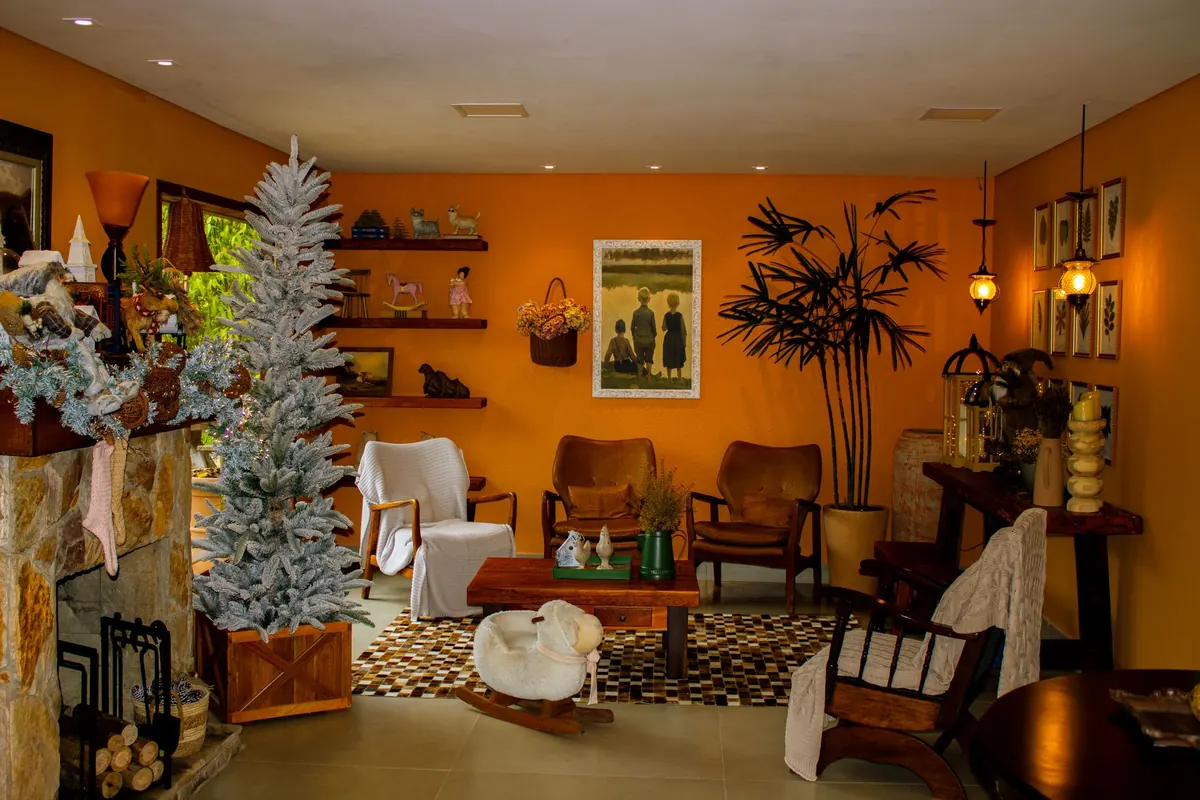
There is a moment each season when a room quietly stops working. The print above the sofa that felt breezy in June looks thin against November's grey light. The moody landscape that anchored the hallway in January suddenly feels heavy in April. Nothing is wrong with the art. It is simply the wrong season for it.
Rotating what you already own — storing a few pieces, bringing others out, regrouping what stays — is the least expensive way to make a room feel new. No shopping, no repainting, no new sofa. Just a box, a free afternoon, and a plan.
Art is the largest concentrated block of colour and mood in most rooms. A single swap changes the palette more than a stack of new cushions, because the eye lands on a framed piece first and reads the rest of the room through it. A cool seascape makes the same grey wall feel calm and airy; a warm amber abstract makes that wall feel enveloping. Same paint, same furniture, different room.
Seasonal light does half the work for you. Winter light is low, cool, and often indirect, which flattens delicate pastels and washes out pale watercolours. Summer light is brighter and more directional, which can make dark, heavy pieces feel oppressive. Match your art to the light you actually have, not the light you remember from the shop.
There is a bonus, too: rotation rests your eye. A piece you have walked past for three years becomes invisible. Put it in a closet for six months, bring it back, and you will notice details you forgot were there.
You cannot plan seasons if you do not know what you own. Spend an hour photographing every piece — framed prints, canvases, unframed posters, that stack behind the guest bed — and note the dimensions, frame colour, and orientation on your phone. Then sort them loosely into groups:
Measure the walls you rotate on. Write the numbers down. Guessing leads to the same three holes patched and re-drilled every year.
Unframed prints, posters, and photographs store best flat in a rigid portfolio or between two sheets of foam board, interleaved with acid-free tissue or glassine so surfaces never touch. Framed pieces, especially those with glass, should stand upright on their edge, cushioned with bubble wrap or foam at the corners, leaning against a closet wall rather than lying in a stack. Weight pressing down on glass for months is how frames crack and mats crease.
Attics, garages, and damp basements are the enemies here. Wide swings in heat and humidity warp wood, encourage mould behind glass, and speed up fading. A spare closet, the space under a bed, or a shelf in a temperature-stable room is a better home.
Skip plastic sheeting, which traps moisture, and newspaper, which transfers ink. Never tape anything directly to a print. A clean cotton sheet or acid-free paper is all you need as a dust cover.
The goal is not four separate collections but four ways of seeing the same collection. Here is how that tends to look in practice.
Pull out the amber, rust, and deep green pieces. Pair a large landscape with two smaller botanical or still-life prints. This is the season for heavier frames — walnut, dark metal, aged brass — and for grouping more pieces closer together, which makes a wall feel gathered and cosy.
Winter rewards restraint. Black-and-white photography, simple line drawings, and cool-toned abstracts hold their own against grey light and long evenings. Fewer pieces, more space between them, and light-toned mats keep a wall from closing in. If you have a large cool-toned piece, this is its season.
Swap in pastels, soft greens, watercolours, and pressed-flower studies. Keep frames light — pale wood, thin white, natural rattan. This is the moment to bring out the smaller pieces you love and build a loose gallery cluster rather than one big anchor.
Seascapes, skies, bold colour, and anything with movement. Summer can carry the largest scale, so give the oversized piece its wall and let the rest of the room breathe. Lighter frames and unframed canvases suit the season better than anything heavy or dark.
If you plan to rotate regularly, invest in a system rather than a single hook. Picture ledges and gallery rails let you change pieces in seconds with no new holes. French cleats and two-hook hanging keep heavier frames level and are quicker to release than a single nail.
Keep a small swap kit together: spackle, a sample pot of your wall colour, a pencil, a level, a measuring tape, extra hooks, and felt pads for the backs of frames. Then do one thing that saves you more time than anything else — trace each frame's outline onto paper, label the template, and store it with the piece. Next season, the hanging positions are already solved.
Tie your rotations to something you already notice: the first cool morning, the week the clocks change, the day the garden wakes up, the first genuinely hot weekend. Two rooms a season is plenty — most people rotate the living room and the bedroom and leave the rest alone, and that is fine.
Keep one piece out all year as an anchor so the room still feels like itself. Then let the rest move. The pleasure is not in having new art; it is in seeing your own art again.
Photo: Leandro Rossi / Pexels
Renters can't rewire anything, but dark corners, harsh overheads and badly placed switches are all fixable...
Twelve space-saving furniture pieces that work twice as hard in a small apartment, plus the measurements...
A practical beginner's guide to floating shelves: picking the right bracket, locating studs, choosing...